Energy-Saving Smart Home Upgrades
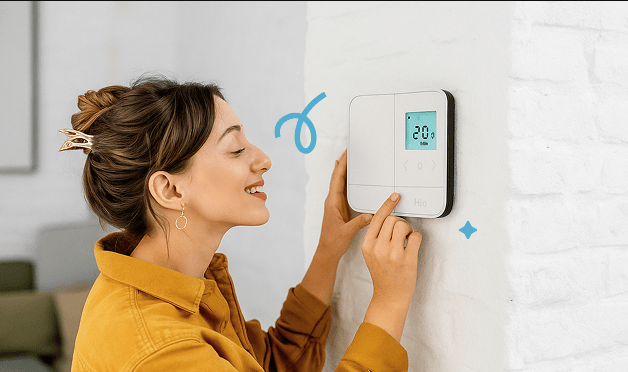
Energy-saving smart home upgrades combine envelope improvements, smart climate control, and intelligent lighting to reduce consumption. Modern homes benefit from tighter insulation, minimized thermal bridging, and airtight envelopes. Smart thermostats tailor heating and cooling to occupancy and weather, while automated lighting and outlet controls curb standby power. Integrated with storage and analytics, real-time optimization and demand response promise ongoing gains. The tradeoffs between comfort, cost, and resilience warrant careful assessment before implementation.
What Makes a Home Energy-Efficient Today
The energy efficiency of a modern home hinges on building envelope performance, equipment efficiency, and control strategies that collectively minimize energy use while maintaining comfort.
The analysis centers on energy auditing results and measured performance, highlighting envelope airtightness, insulation continuity, and thermal bridging.
Quantified targets for demand reduction, system efficiency, and responsible material choices guide design without sacrificing occupant freedom.
Smart Thermostats and Climate Control That Cut Bills
Smart thermostats and climate-control systems provide measurable energy savings through continuous occupancy-based scheduling, proactive temperature setbacks, and adaptive algorithmic learning. Data indicates reduced HVAC runtime and improved setpoint adherence across diverse homes. Climate control integration enables real-time feedback from sensors, occupancy, and weather, optimizing comfort without waste. Smart thermostats enable remote monitoring, ensuring consistent performance and user-driven efficiency.
Lighting, Outlets, and Power Management for Steady Savings
Lighting, outlets, and power-management strategies deliver steady savings through automated control, load prioritization, and demand-reduction techniques. The analysis emphasizes lighting dynamics for dimming, scheduling, and occupancy data, reducing peak load while preserving user autonomy. Outlet optimization targets peripheral device idle consumption, enabling per-outlet control and wake-sleep cycles. Quantified outcomes show predictable reductions without compromising performance or freedom of use.
Renewable Integration and Data-Driven Energy Optimization
Renewable integration and data-driven energy optimization leverage on-site generation and real-time analytics to reduce dependence on grid power while maintaining comfort and reliability.
Systems integrate solar, storage, and smart inverters with predictive models for renewable forecasting and adaptive scheduling.
Demand response activates during peak periods, optimizing consumption, enhancing resilience, and enabling autonomous, freedom-focused operation without sacrificing performance or comfort.
Frequently Asked Questions
How Do I Assess Overall ROI for Energy Upgrades at Home?
ROI metrics and payback periods guide assessment, while implementation steps outline data collection, cost categorization, and savings validation. The analysis prioritizes transparent assumptions, lifecycle costs, and sensitivity testing to ensure freedom-driven, technically solid ROI evaluations for home upgrades.
Which Smart Devices Offer the Best Privacy and Security?
The answer: Among devices, those with robust privacy practices and limited data sharing excel; prioritizing vendors with transparent privacy policies, local processing options, and minimal third-party data access. Data sharing should be minimized; privacy practices must be verifiable.
See also: The Role of Technology in Gaming
Can Energy Savings Offset Upfront Installation Costs Quickly?
Energy savings can offset upfront costs quickly, with ROI varying by system and usage. Privacy and security remain critical; maintenance and incentives influence total savings. Data-driven analysis shows favorable payback when energy costs rise and incentives are substantial.
What Maintenance Is Required for Energy-Saving Devices?
Maintenance scheduling ensures routine checks, device calibration maintains accuracy, and proactive upkeep reduces drift; maintenance scheduling, device calibration, and documented intervals enable performance consistency, energy savings stabilization, and user freedom through reliable, data-driven operational transparency.
Are There Government Incentives or Rebates for Upgrades?
The answer: yes, government rebates and tax incentives exist for upgrades, varying by region; programs emphasize distribution efficiency, energy performance, and equipment standards. Data-driven analyses show financials and payback, supporting decisions while preserving personal freedom and choice.
Conclusion
Energy-saving upgrades weave a quiet efficiency into daily life, like a house breathing through tighter walls and smarter controls. Thermostats anticipate weather, lighting and outlets dim with intent, and power flows align with occupancy. Data-driven analytics illuminate patterns, guiding predictive schedules and demand response. Renewable storage smooths peaks, ensuring comfort persists as consumption falls. The result is a resilient, autonomous system where measurable savings emerge from precise calibrations and thoughtful automation.