
Five Mistakes People Make When Buying an Outdoor Sauna
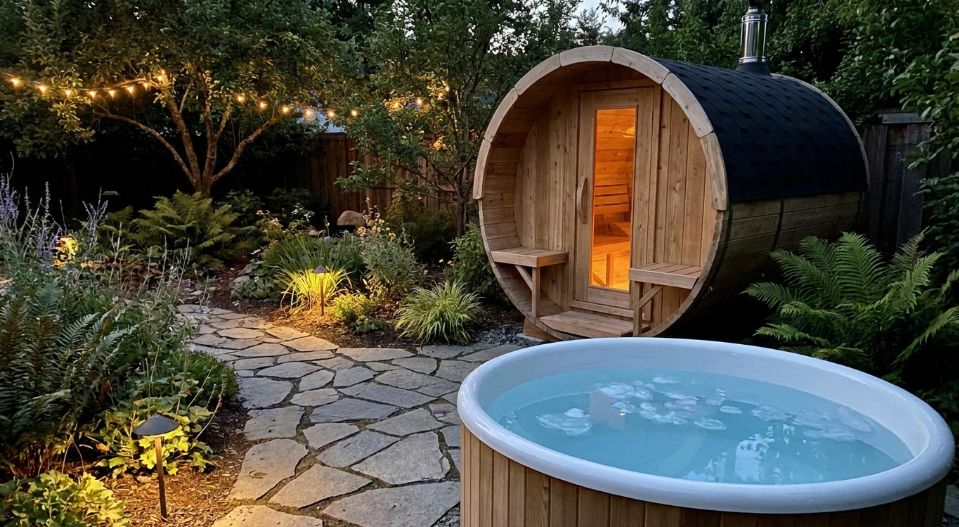
The five most common mistakes buyers make with an outdoor sauna are skipping the permit and setback check, underestimating drainage and foundation needs, ignoring wind exposure when choosing a site, treating outdoor electrical work like an indoor job, and forgetting to plan for winter access. Every one of these is avoidable with research done before the cabin ships, and every one is expensive or genuinely annoying to fix once it has arrived. Here is what actually goes wrong.
Mistake One: Not Checking Permits and Setback Rules First
A lot of buyers assume a freestanding sauna is small enough to fly under the radar of local building codes, and in some jurisdictions that is true. In plenty of others, an accessory structure over a certain square footage needs a permit, and there are often separate setback rules dictating how close a structure can sit to a property line, fence, or septic field. HOA communities frequently layer their own restrictions on top of city or county code. Skipping this check before ordering can mean a cabin that arrives and then cannot legally sit where you planned to put it, forcing a relocation or, in the worst cases, a fine.
Mistake Two: Underestimating Drainage and Foundation Needs
Buyers often focus entirely on the cabin itself and treat the ground underneath as an afterthought. A sauna sitting on poorly drained soil can develop mold on its underside, shift on its footings, or see the base begin rotting within a few seasons, none of which show up until the damage is already done. Grading the site so water runs away from the structure, and choosing a gravel pad or raised skid foundation over bare dirt, is one of the least expensive steps in the entire project and one of the most commonly skipped.
Mistake Three: Ignoring Wind Exposure When Choosing a Site
An open, exposed spot might have the best view in the yard, but it is also where heat escapes fastest every time the door opens and where a genuinely cold, windy evening can noticeably extend warm-up time. Buyers who site their cabin purely for aesthetics sometimes end up with a structure that costs more to run and takes longer to reach temperature than the identical unit would in a more sheltered spot twenty feet away. A fence line, a stand of trees, or even the side of a garage can act as a windbreak worth factoring into the site decision.
Mistake Four: Treating Outdoor Electrical Work Like an Indoor Job
This is where a lot of otherwise careful buyers get caught. A standard indoor junction box, outlet, or breaker is not rated for the moisture and temperature swings a sauna circuit sees outdoors. Outdoor electrical work needs weatherproof-rated boxes and disconnects, and most codes require GFCI or similar ground-fault protection given how much water and heat is involved. Hiring an electrician familiar specifically with outdoor structures, rather than assuming any licensed electrician’s standard indoor approach transfers directly, avoids a failed inspection or, worse, a genuine safety issue down the line.
Mistake Five: Forgetting to Plan for Winter Access
A cabin that looks great in a September site plan can become genuinely hard to reach once the yard is under snow. Buyers in cold climates sometimes skip planning a cleared path, exterior lighting for shorter winter days, or even basic traction underfoot near the entrance, and then see their own use drop off sharply the first time they have to trudge through unshoveled snow in a towel. Budgeting for a simple gravel or paved path as part of the original install, rather than improvising once winter arrives, keeps the habit intact through the season it matters most.
Bonus Mistake: Skipping a Plan for Exterior Wood Maintenance
An indoor sauna’s exterior never sees direct sun, rain, or snow, so a lot of first-time outdoor buyers do not think about exterior maintenance until the cabin has already grayed or started showing water spots a year or two in. Cedar and thermally modified wood both need a fresh coat of exterior-rated oil or sealant on a regular schedule outdoors, typically every one to two years, more often in a high UV or coastal climate. Skipping this does not damage the sauna’s function immediately, but it shortens the exterior’s usable life and leaves the wood more vulnerable to moisture intrusion at joints and seams over several seasons. Budgeting a small amount of time and materials for this every year or two is far cheaper than the recladding job that comes from ignoring it for five.
Buyers sometimes also underestimate how much a north-facing or heavily shaded site slows drying after rain compared to a spot that gets regular sun, which changes how often maintenance is actually needed for the same climate. A cabin sited in a damp, shaded corner of the yard for privacy reasons may need sealant touch-ups noticeably more often than the identical unit in a sunnier, more exposed spot, which is worth weighing against the privacy tradeoff before committing to a shaded site.
What Ties These Mistakes Together?
None of them are about picking the wrong brand or the wrong heater type. They are all site-planning problems: a permit not checked, drainage not graded, wind not considered, electrical work treated too casually, or winter access left for later. A buyer who works through the site questions with the same care as the cabin specs, comparing options at a retailer like Sweat Decks for wall construction and heater sizing, ends up with a setup that gets used for years instead of one that becomes a source of regret by the first hard season.
Frequently Asked Questions
Do you need a permit for an outdoor sauna?
Often, yes, depending on size and jurisdiction. Many areas require a permit above a certain square footage, and HOAs sometimes add their own rules. Check before ordering.
Why does drainage matter so much for an outdoor sauna site?
Poor drainage can shift a cabin, cause mold underneath, or rot the base over a few seasons. Grading the site is one of the cheapest steps to get right.
Does wind exposure really affect an outdoor sauna that much?
Yes. A cabin on an exposed, windy site loses heat faster and takes longer to warm up than an identical unit with some wind protection.
What electrical mistake do outdoor sauna buyers make most often?
Assuming an indoor-rated outlet or junction box is fine outside. Outdoor work needs weatherproof components and, in most areas, GFCI protection.
Is winter access a real planning issue for an outdoor sauna?
Yes, in a snowy climate. A cabin without a cleared, safe path in winter often sees a sharp drop in use the first time snow covers the yard.
References
- “Clinical Effects of Regular Dry Sauna Bathing: A Systematic Review.” Evidence-Based Complementary and Alternative Medicine, 2018. https://pubmed.ncbi.nlm.nih.gov/29849692/
- “Cardiovascular and Other Health Benefits of Sauna Bathing: A Review of the Evidence.” Mayo Clinic Proceedings, 2018. https://pubmed.ncbi.nlm.nih.gov/30077204/
- “Benefits and risks of sauna bathing.” The American Journal of Medicine, 2001. https://pubmed.ncbi.nlm.nih.gov/11165553/
- National Fire Protection Association. https://www.nfpa.org/