The Role of Technology in Modern Agriculture
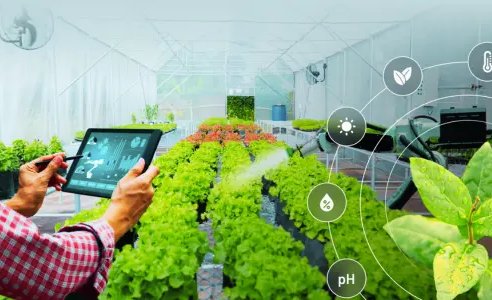
Technology has fundamentally transformed modern agriculture by introducing precision farming, drones, and automation. These advancements enable farmers to monitor and manage crops more effectively, enhancing productivity and sustainability. However, the integration of these tools raises questions about future practices and environmental impacts. As agriculture continues to evolve, understanding the complexities of these technological innovations becomes crucial for stakeholders aiming to optimize their operations and ensure long-term viability. What challenges and opportunities lie ahead?
How Precision Farming Is Changing Crop Management
As precision farming techniques gain traction, they significantly transform crop management practices across the agricultural sector.
By leveraging data analytics, farmers can enhance crop monitoring, ensuring optimal growth conditions and resource allocation. This innovative approach minimizes waste, maximizes yields, and fosters sustainable practices.
As technology empowers farmers, they gain greater autonomy over their operations, paving the way for a more efficient and responsible agricultural future.
The Impact of Drones and Sensors on Agricultural Efficiency
Drones and sensors have emerged as transformative tools in modern agriculture, significantly enhancing operational efficiency.
By leveraging drone applications, farmers can monitor crop health and optimize resource allocation with precision.
Meanwhile, sensor technology enables real-time data collection, facilitating informed decision-making.
Together, these advancements empower agricultural practitioners to maximize yields while minimizing environmental impact, fostering a sustainable future in farming.
See also: The Role of Technology in Gaming
Exploring Automation: Are Robots and Machinery in Farming?
The integration of automation in agriculture marks a significant evolution in farming practices.
Robotic harvesting and automated planting are redefining productivity, reducing labor costs while enhancing precision. These innovations empower farmers to optimize resources and streamline operations, ultimately fostering greater independence in food production.
As automation continues to advance, it raises critical questions about the future workforce and the sustainability of traditional farming methods.
Sustainable Farming Practices Enhanced by Technology
While traditional farming techniques have long relied on time-honored practices, the advent of technology is transforming sustainable agriculture into a more efficient and effective endeavor.
Innovations like smart irrigation systems optimize water usage, significantly reducing waste.
Additionally, data analytics enable farmers to make informed decisions, enhancing crop yields and minimizing environmental impact, thereby promoting a more sustainable approach to modern agricultural practices.
Conclusion
In conclusion, technology is revolutionizing modern agriculture by promoting efficiency, sustainability, and productivity. For instance, a hypothetical farm employing precision farming techniques could utilize sensors to monitor soil moisture levels, allowing for targeted irrigation. This approach not only conserves water but also enhances crop yields. As farmers increasingly adopt such innovations, the agricultural landscape is poised for transformation, leading to more resilient food systems that meet the demands of a growing global population while minimizing environmental impacts.