Artistic Collaborations in Fashion
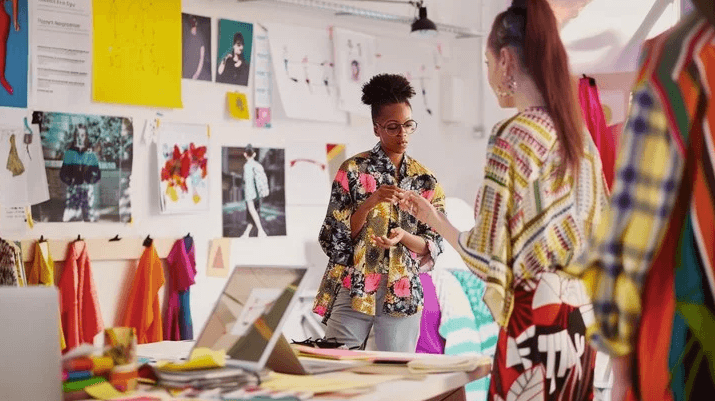
Artistic collaborations in fashion redefine how material, code, and sculpture converge on the body. Designers invite artists to test limits, turning constraints into expressive opportunities. The result is a shared language that shifts cadence, from runway to retail, while balancing craft with audacity. As partnerships mature, markets respond with new narratives and products. The question persists: what forms of risk, responsibility, and resonance will shape the next wave of fashion-art endeavors?
What Artistic Collaborations Bring to Fashion
Artistic collaborations infuse fashion with new vocabulary, expanding design lexicons beyond conventional boundaries. This approach centers on collaborative processes that unite diverse disciplines, from sculpture to software, forging forward-looking collections. Creative synergies emerge as artists and designers exchange constraints for possibility, catalyzing rapid innovation and fresh aesthetics. The result is liberated expression, guiding trend direction while honoring craft, experimentation, and shared ownership.
How Designers Partner With Artists: Models of Collaboration
Designers collaborate with artists by embedding cross-disciplinary rigor into the product cycle, aligning creative constraints with production realities to produce cohesive, forward-looking capsules. This model prioritizes shared purpose, transparent feedback loops, and mutual curiosity. Designers, artists, and brands navigate evolving dynamics, refining collaboration workflow metrics to accelerate innovation while preserving individuality, texture, and meaning. The result is united, freedom-infused fashion that dares, elevates, endures.
Case Studies: Notable Fashion-Art Partnerships and Their Impact
From collaboration between fashion houses and artists to the emergence of hybrid studios, these case studies illuminate how partnerships translate creative risk into measurable impact. Visionaries document shifts in design language, marketing resonance, and audience reception, while governance and collaboration ethics steer responsible experimentation. Notable partnerships reveal cross-disciplinary learning, scalable models, and cultural dialogue shaping contemporary fashion’s collaborative ethic and future-facing trajectories.
How to Evaluate and Initiate a Fashion-Artist Collaboration
Evaluating and initiating a fashion-artist collaboration requires a clear framework that aligns creative vision with strategic impact. Clear concept alignment guides partner selection, scope, and timelines, while defining success metrics. The process invites artistic risk taking, balanced by practical safeguards and measurable outcomes. A transparent brief, collaborative rituals, and iterative feedback sustain momentum, enabling fearless experimentation within a shared brand narrative.
Frequently Asked Questions
How Do Artists Retain Ownership of Their Work in Collaborations?
Artists retain ownership through clear contracts, defining copyright protections and licensing terms; collaboration royalties ensure ongoing benefit. In visionary collections, the agreement guides credit, usage, and revenue, empowering creators while honoring collective creativity and freedom within fashion’s trend-driven landscape.
What Legal Contracts Govern Fashion-Art Partnerships?
Brand licensing and copyright ownership govern fashion-art partnerships, outlining rights, royalties, and usage. The contracts envision a visionary, collaborative framework, guiding freedom-loving creators toward balanced leverage, transparent terms, and evolving stewardship within trend-driven, mutually beneficial collaborations.
How Is Credit Allocated Across Collaborators and Brands?
Credit distribution hinges on clear, pre-negotiated terms, ensuring transparent recognition and fair royalties; authorship and intellectual property ownership remain shared where applicable, fostering visionary, collaborative partnerships that honor freedom, trendsetting brands, and collective creative stewardship.
See also: The Role of Technology in Modern Agriculture
Are There Ethical Concerns With Cultural Appropriation in Art-Fashion?
Ethical concerns arise when cultural motifs drift into appropriation, unsettling communities and authenticity. The allegory of a shared loom reveals responsibility: ethical sourcing and sustainable production must guide collaboration, honoring origins without commodifying them, fostering visionary, collaborative, freedom-loving fashion ecosystems.
What Metrics Define the Success of a Collaboration?
Success metrics for collaborations hinge on measurable impact: creative funding efficiency, audience engagement growth, cross-disciplinary reach, and sustainable hype. The vision tracks reciprocity, authenticity, and scalable resonance, empowering partners to innovate boldly while readers witness liberated, trend-driven progress.
Conclusion
In the grand atelier of tomorrow, fashion and art court each other with avant-garde smiles, drafting collections like policy papers for whimsy. Collabs become R&D for culture, where glitches are celebrated as texture and budgets bow to boldness. Designers chase artists down the runway of possibility, while spectators misplace their skepticism in the velvet ropes. The trend forecast reads: collaboration is the new couture, and accountability is the hush note. Satire aside, synergy might just redefine what wears us.